Egyptian scent, written down
What Egypt actually wore, kept and burned. The history behind the oils, told straight.
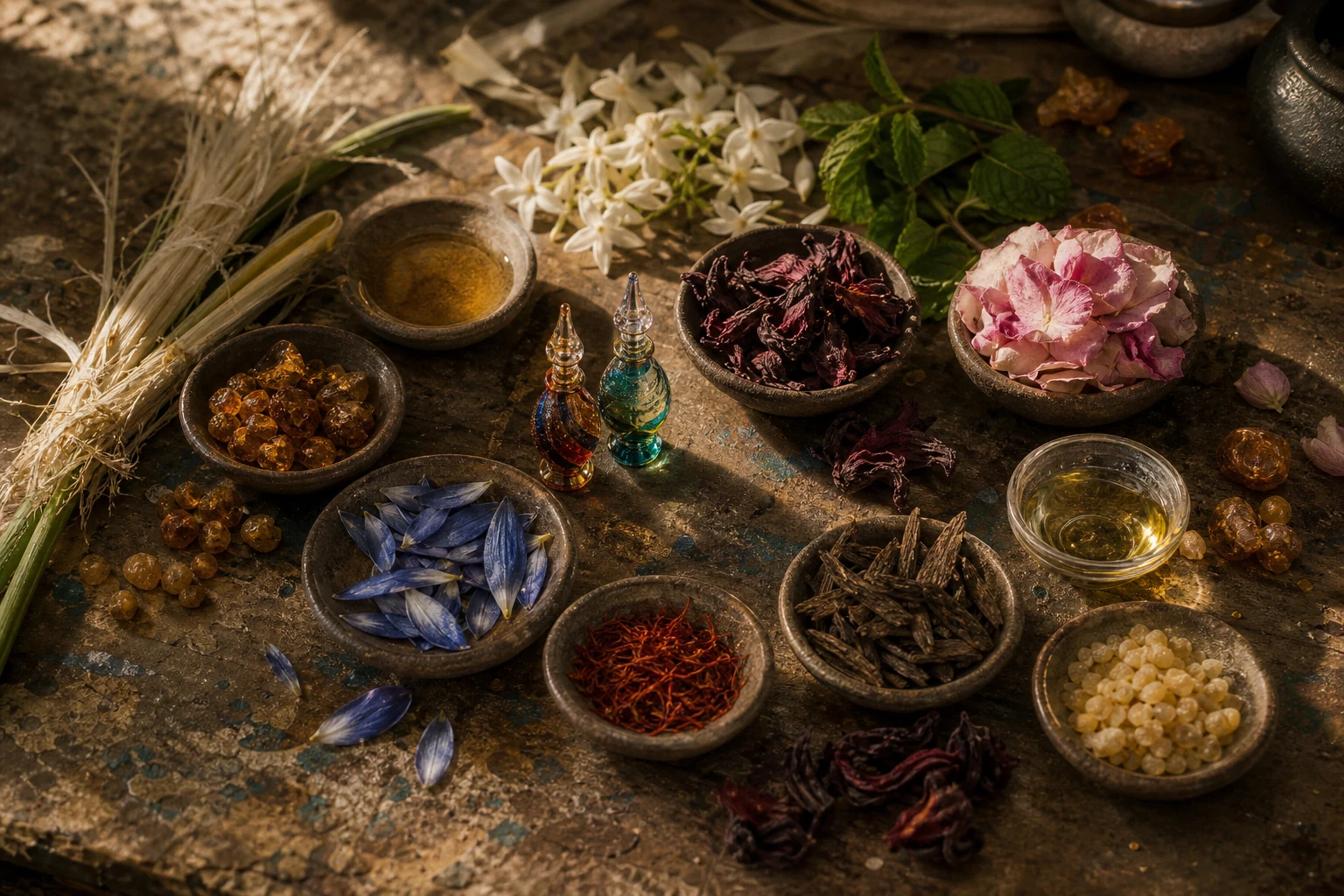
What perfume did the pharaohs actually wear?
Separating what is documented from what is legend. Tutankhamun's jars, Hatshepsut's myrrh, kyphi temple incense, and the real materials of ancient Egyptian scent.
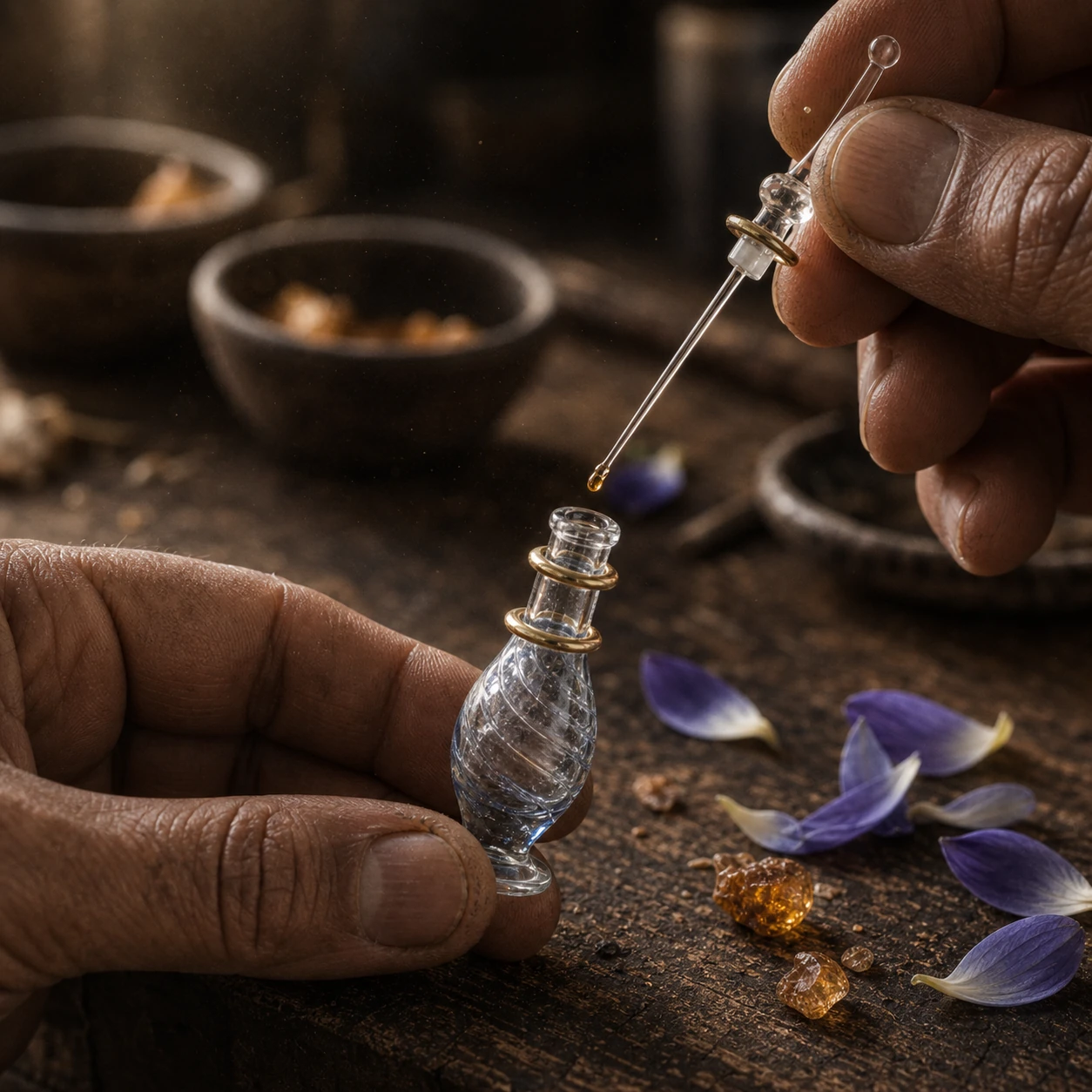
How to wear perfume oil without wasting it
Perfume oil is dabbed, not sprayed. Here is how to wear it close to the skin and make the most of a small bottle.
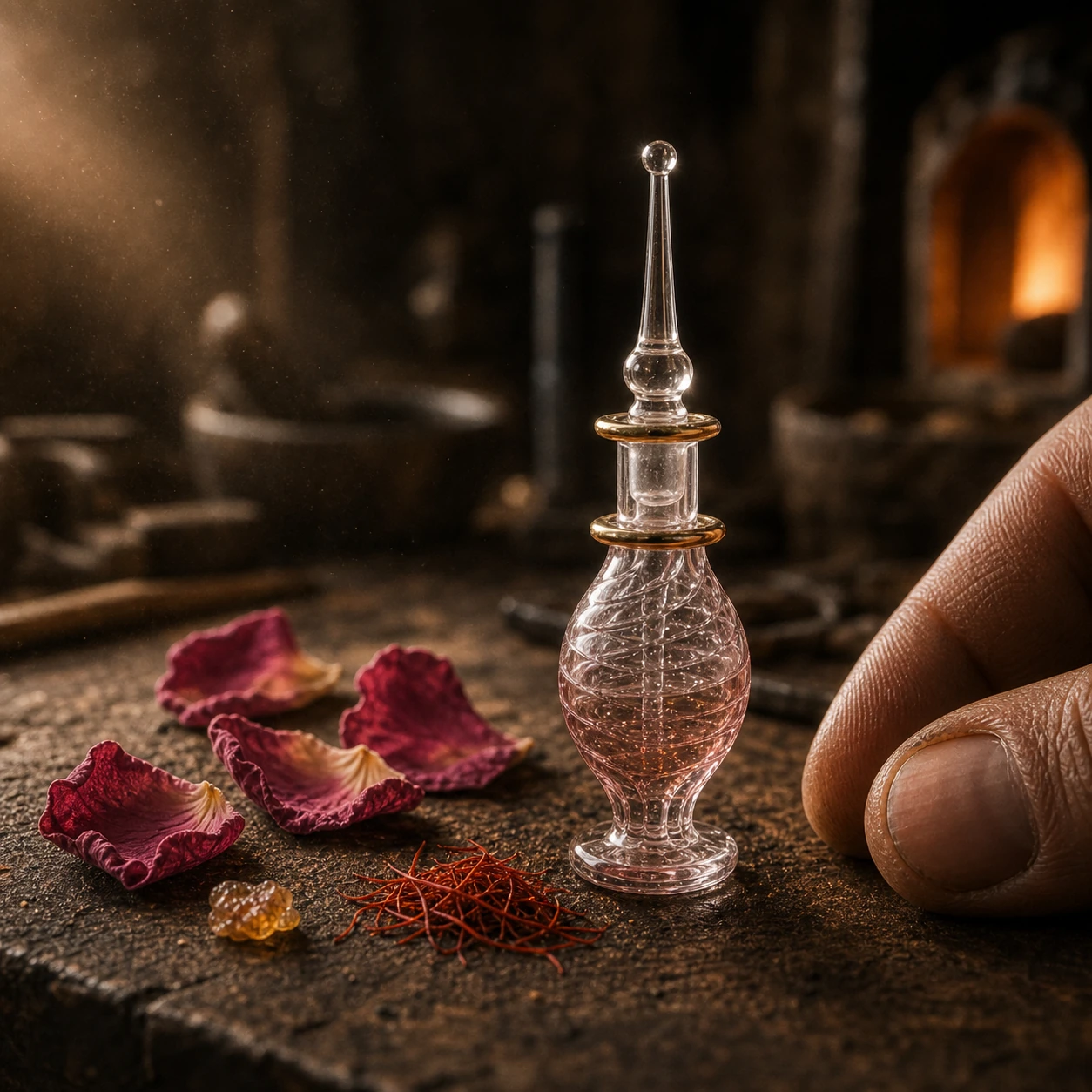
Mendesian perfume and Cleopatra's Egypt
Mendesian perfume was one of ancient Egypt's most famous scents, but the Cleopatra story needs careful wording.
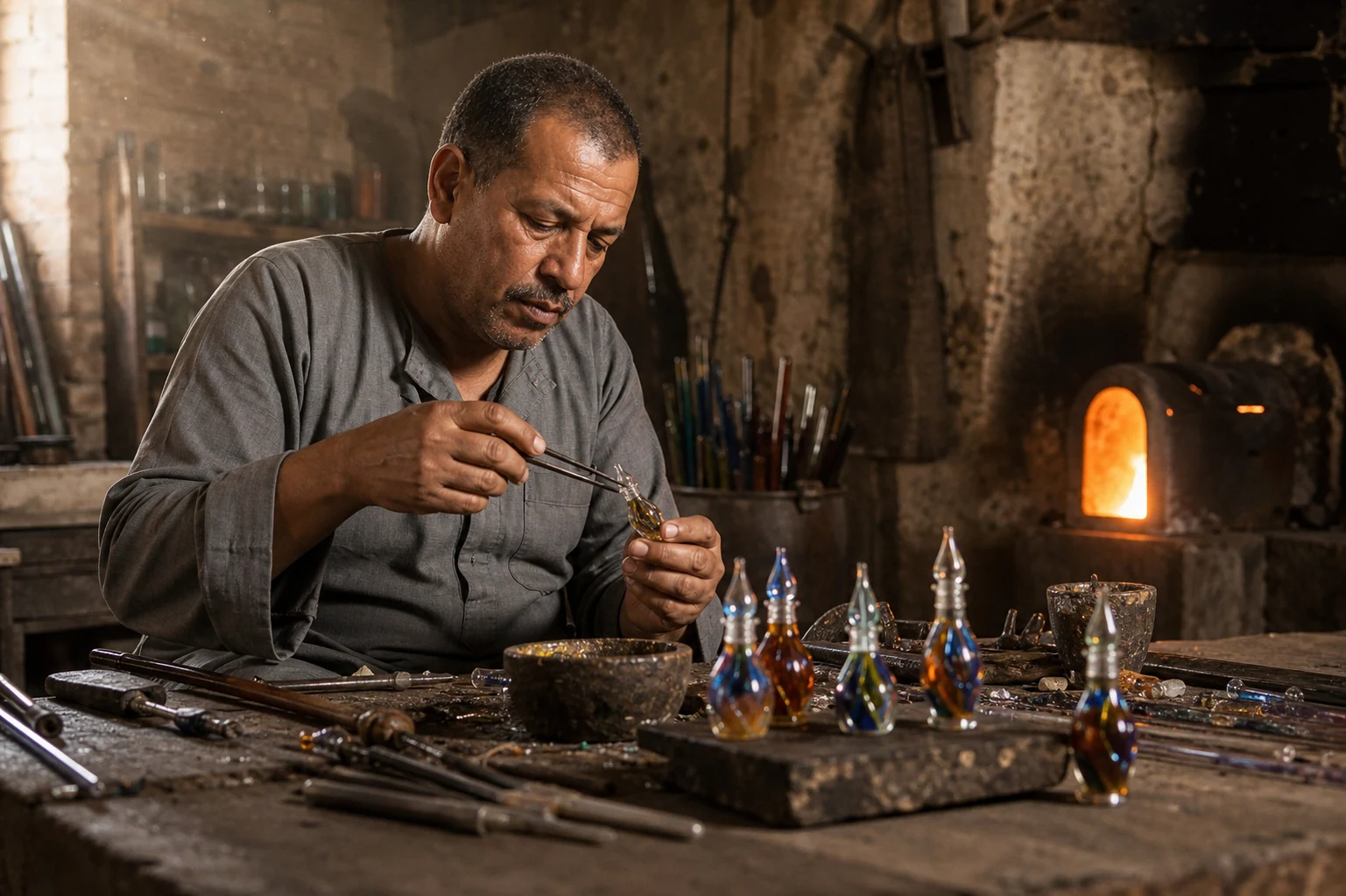
Perfume at home in ancient Egypt
Egyptian scent was not only for temples and tombs. It belonged to grooming, linen, hair, hospitality and daily presentation.
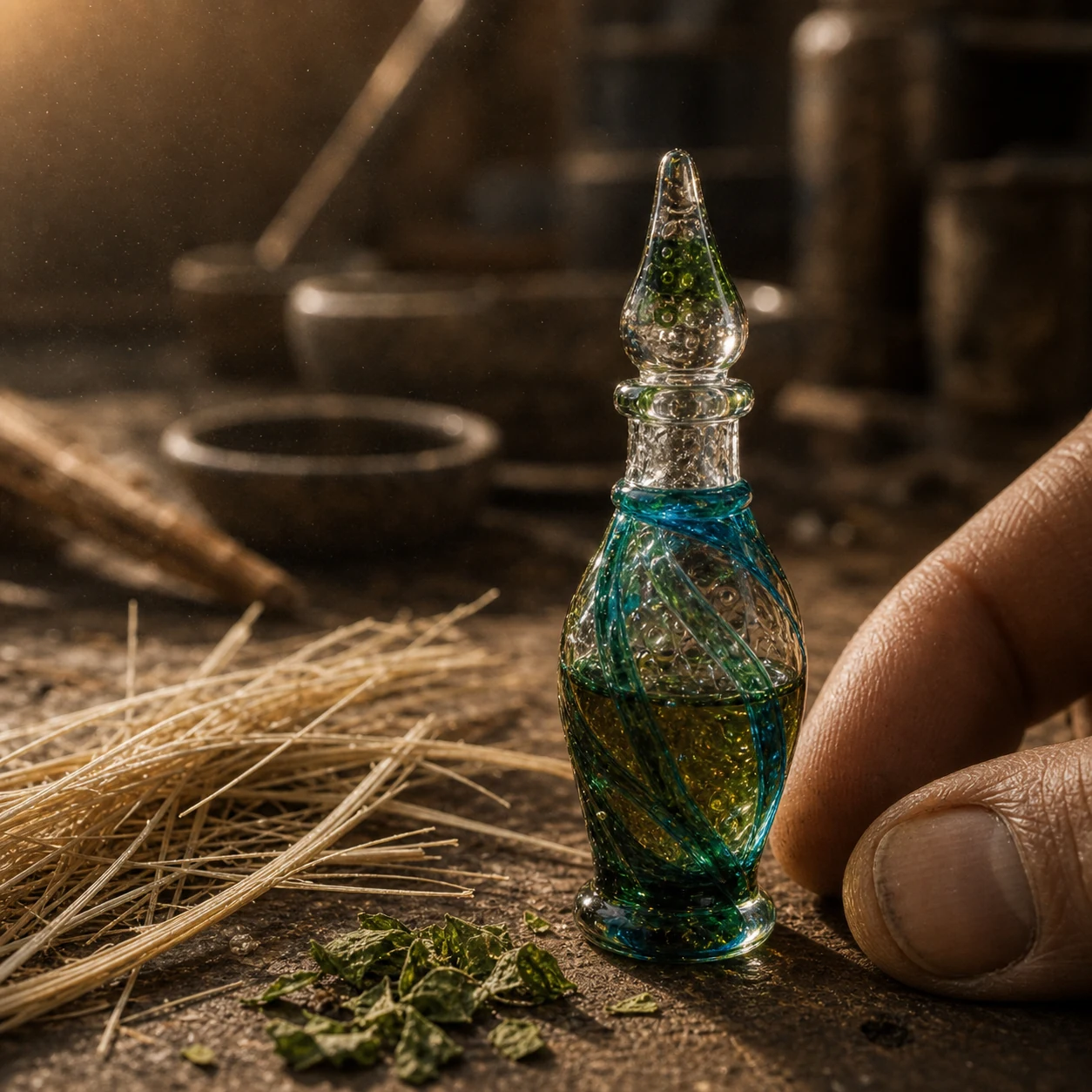
Hatshepsut, Punt and the trade in sacred scent
Hatshepsut's Punt expedition shows how deeply Egyptian perfume was tied to trade, temple offerings and royal power.
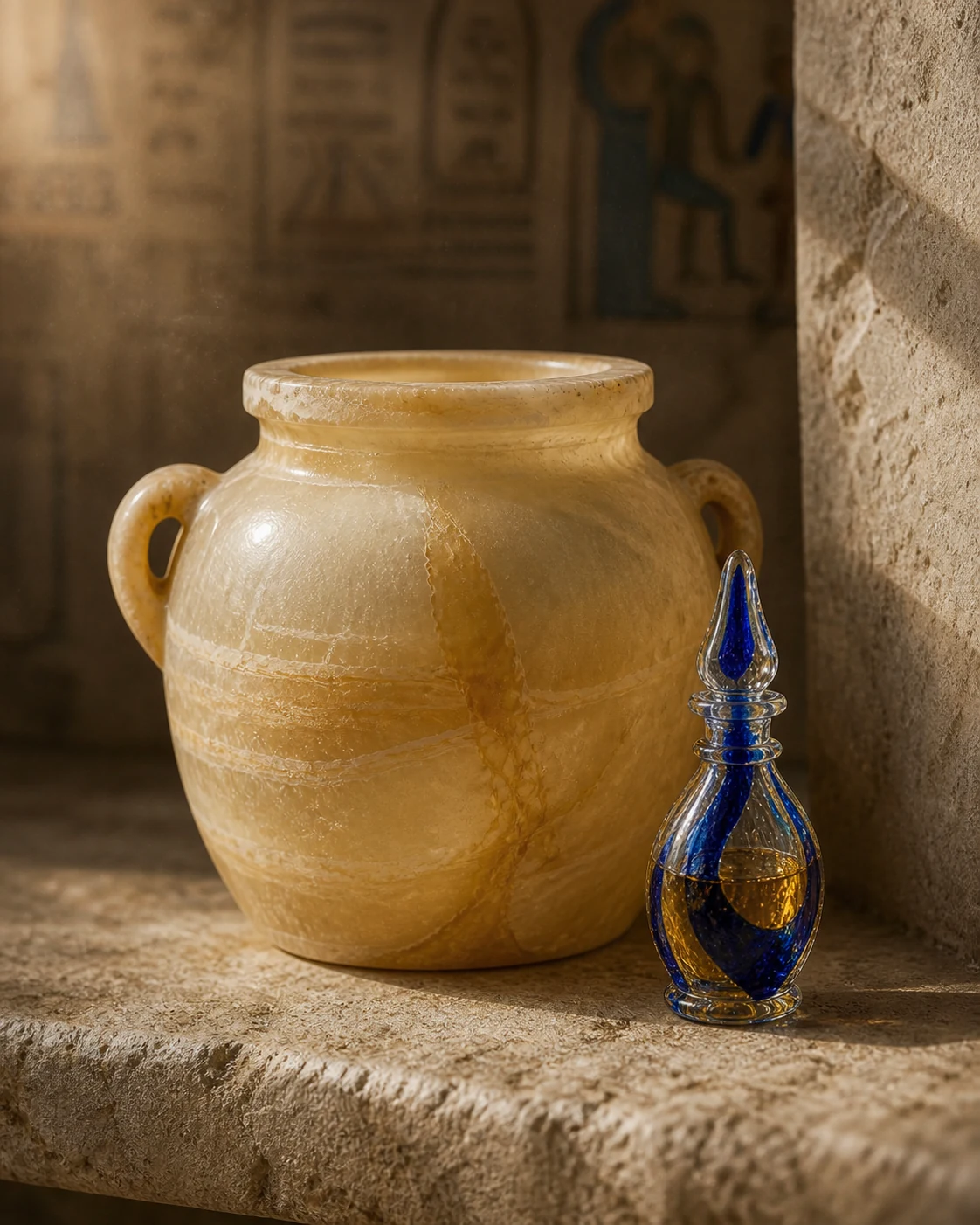
Why alabaster mattered for perfume oil
Egyptian alabaster and other stone vessels were more than pretty containers. They protected, displayed and dignified precious oils.
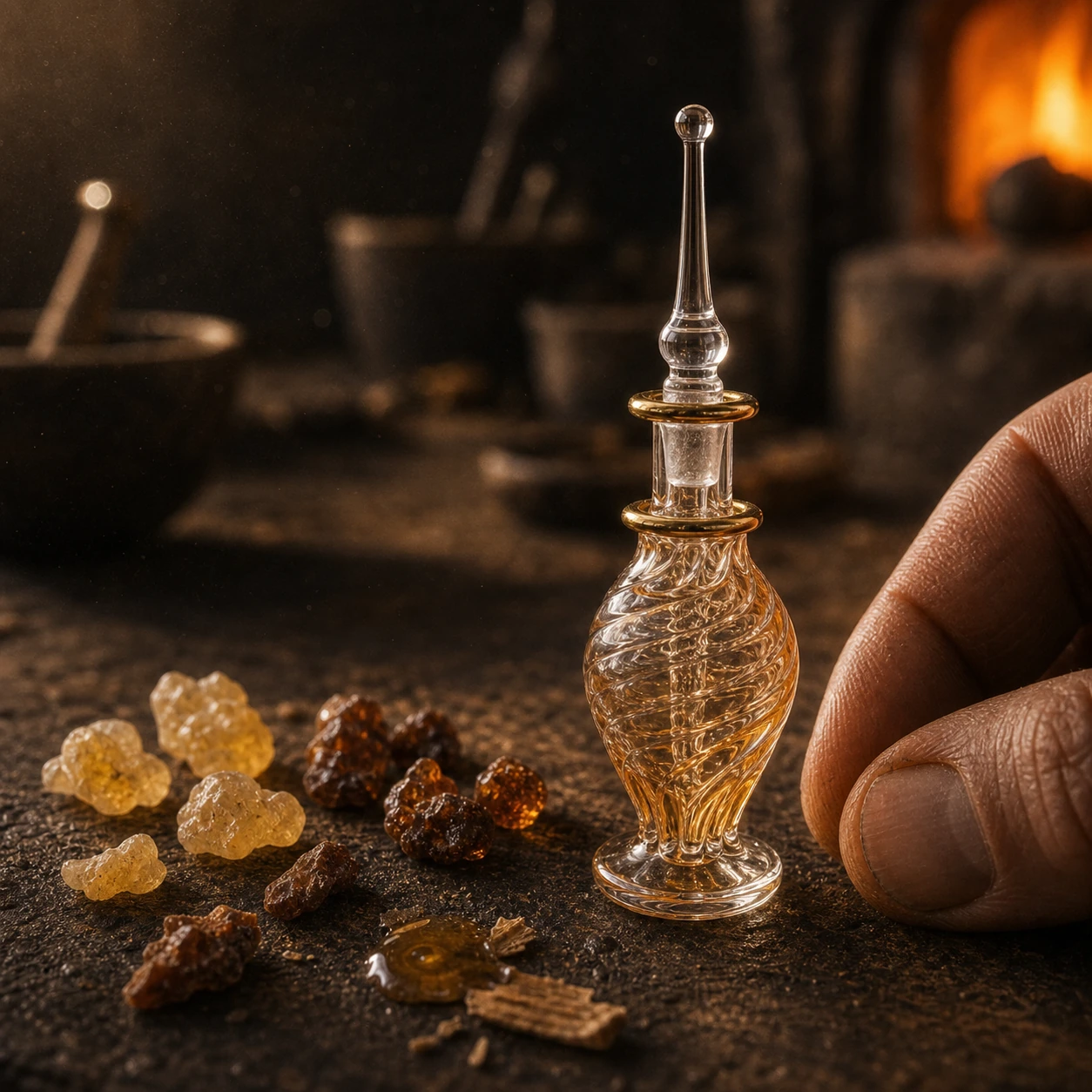
Kyphi: Egypt's temple scent, without the fantasy
Kyphi was a complex Egyptian incense tied to temples, resins, honey, wine, fruit and ritual, not a simple perfume recipe.
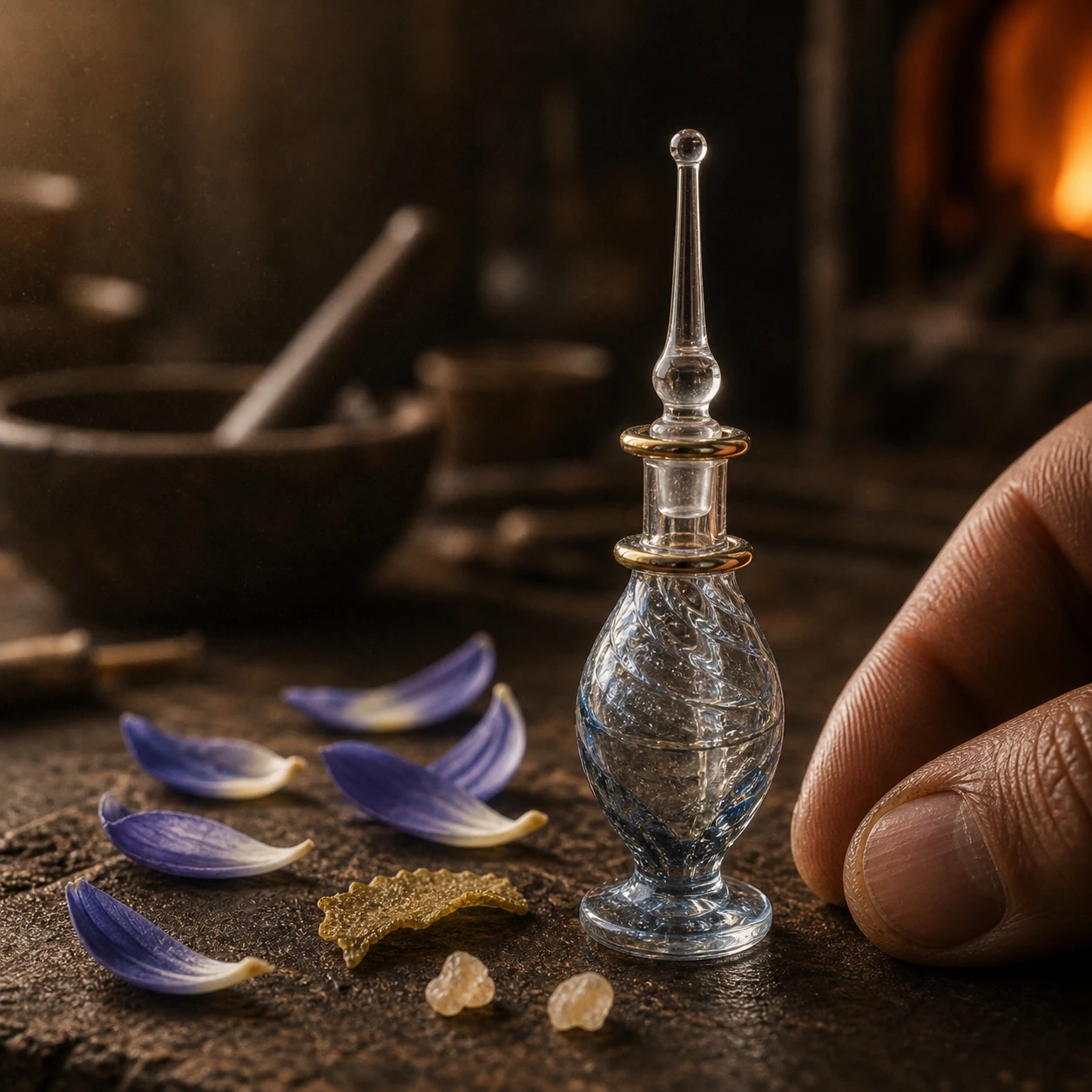
Blue lotus: fact and fantasy
Blue lotus was real, fragrant and symbolically powerful in Egypt, but the internet adds more certainty than the evidence allows.
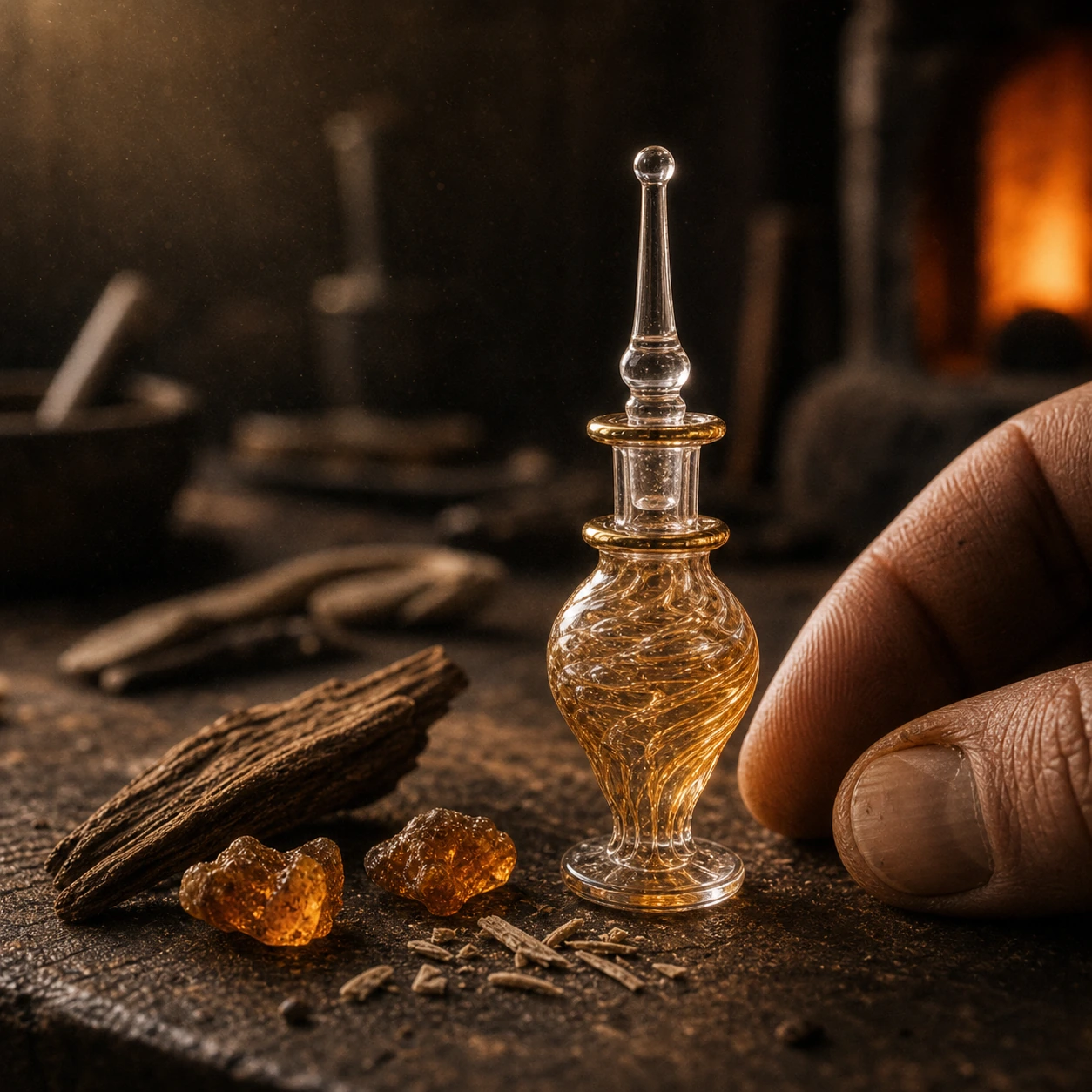
Frankincense and myrrh: Egypt's real aromatics
Frankincense and myrrh were not vague ancient luxuries. They were imported resins tied to trade, temples, medicine, burial and power.
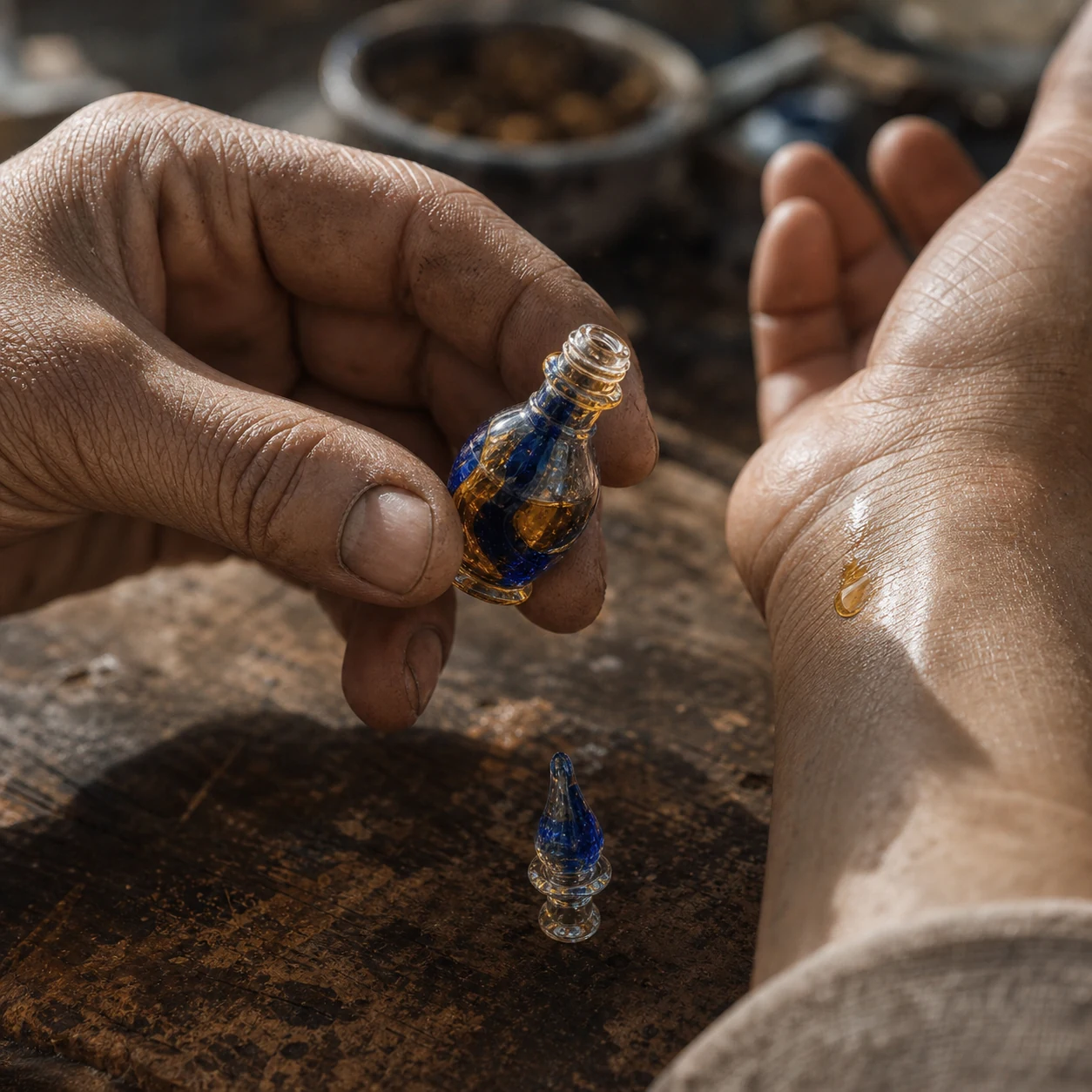
Why Egyptian perfume was oil, not alcohol
Ancient Egyptian scent was built on oils, fats, resins and smoke, not the alcohol spray most people know today.
The real materials of ancient Egyptian perfume
Ancient Egyptian scent was built from oils, fats, resins, flowers, spices and smoke, not fantasy recipes with perfect labels.
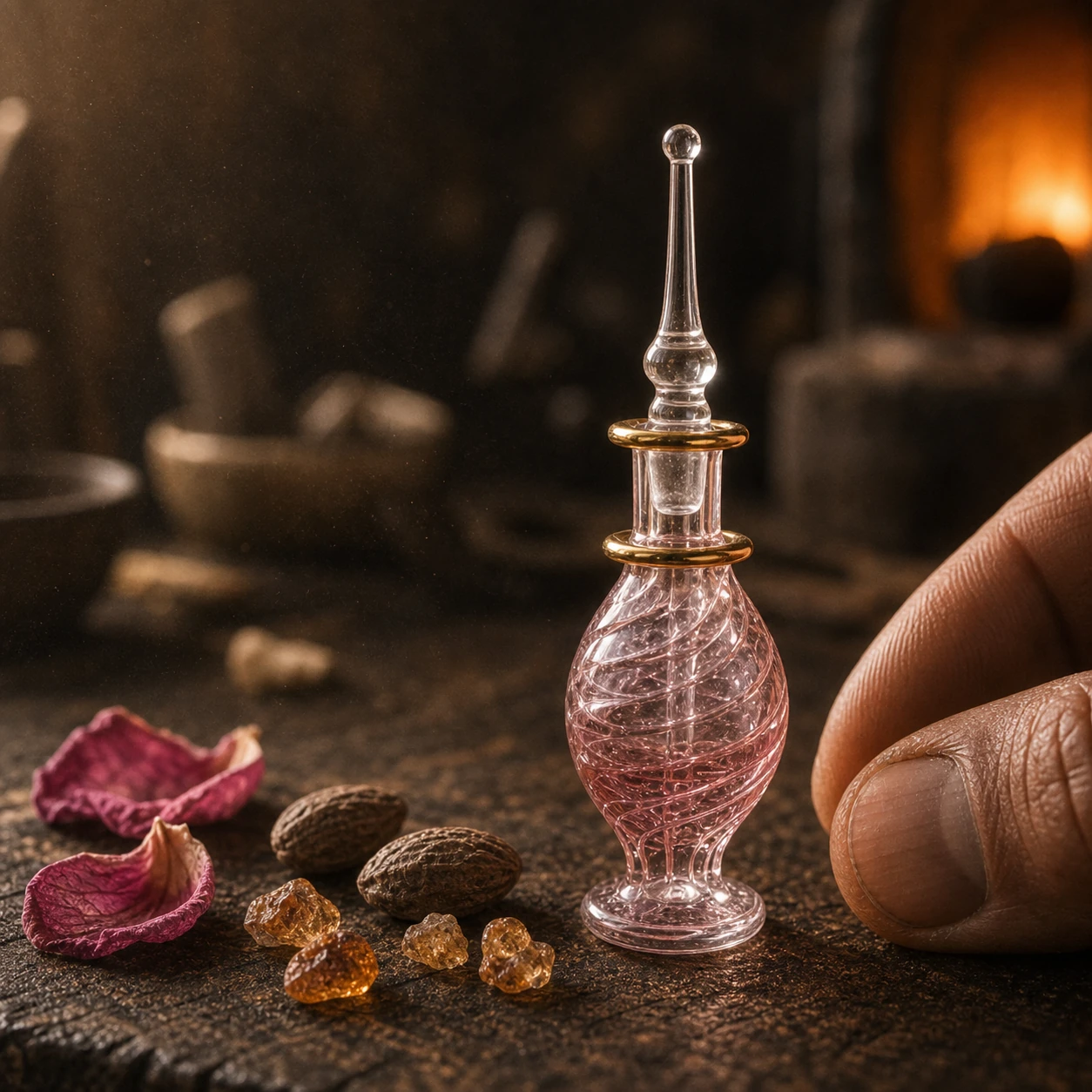
Egyptian musk: modern name, ancient feeling
Egyptian musk is a modern perfume style, but its soft skin scent still fits the older Egyptian habit of wearing fragrance close.
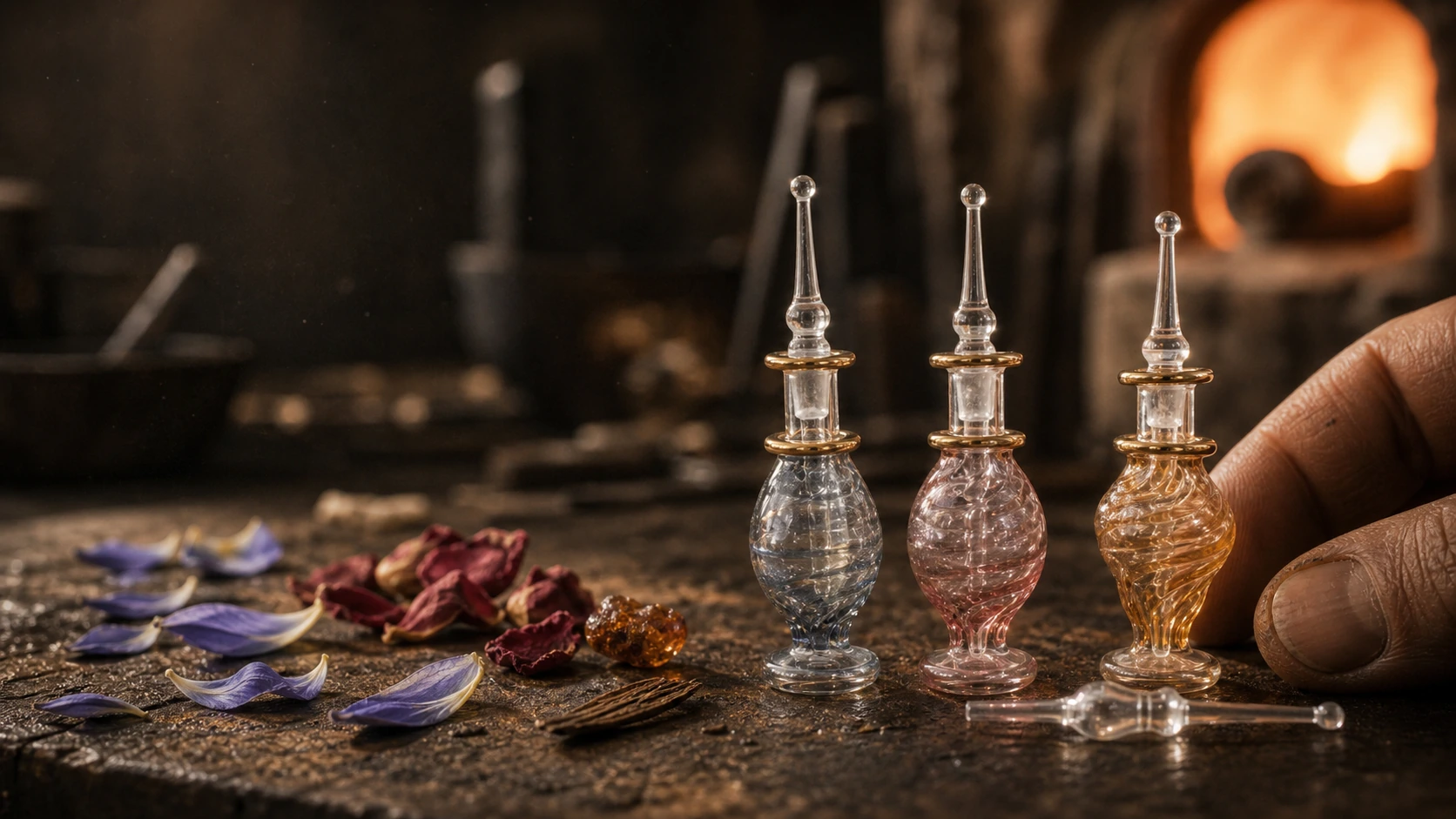
What did Egyptian perfume bottles look like?
Egyptian perfume containers ranged from stone jars and cosmetic vessels to faience, glass and clay forms built for precious oils and unguents.
Myrrh in Egyptian perfume
Myrrh was one of Egypt's great aromatic resins, valued for temple smoke, burial, medicine, trade and the dark warmth it gives perfume oil.
Frankincense in Egyptian temples
Frankincense mattered because temple scent was not decoration. Smoke, resin and offering shaped the air around the gods.
The difference between perfume oil and essential oil
Perfume oil and essential oil are not the same thing. One is made to be worn as scent, the other is a concentrated raw material.
Why perfume oil lasts longer on some skin
Perfume oil changes with skin because heat, dryness, placement, soap and weather all affect how slowly scent opens and fades.
The scent of Egyptian linen
Egyptian linen belonged to cleanliness, heat, oil and status. Its scent was probably quiet, physical and close to the body.
Perfume and burial in ancient Egypt
Scent in Egyptian burial was tied to care, preservation, status and the afterlife, not just luxury decoration.
What were unguents?
Unguents were scented fats or balms, closer to skin salve than alcohol perfume, and they explain a lot about Egyptian scent.
Why ancient Egyptian perfume was expensive
Rare aromatics cost money because they required trade, labor, vessels, skill and ritual demand.
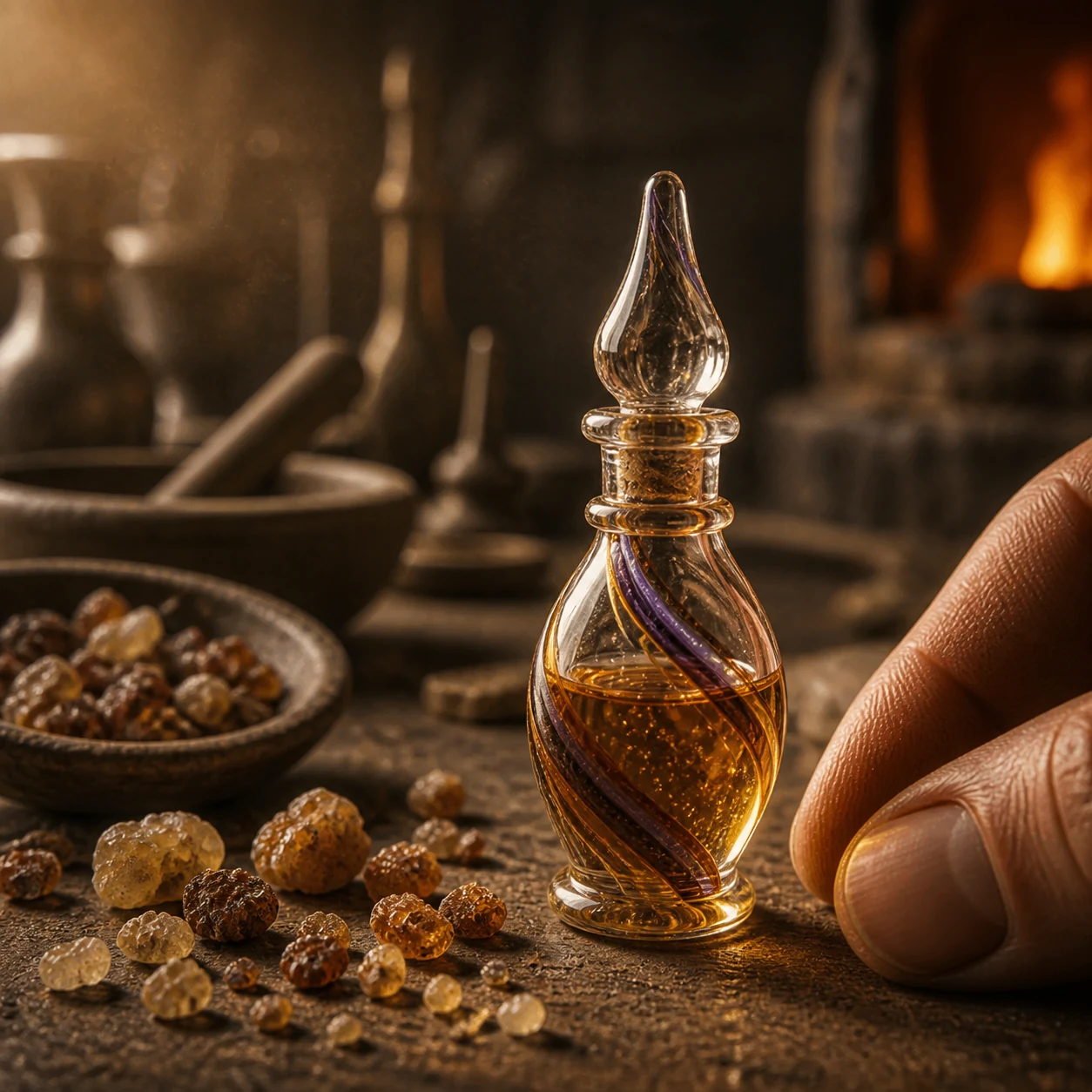
Perfume and the gods of Egypt
Egyptian temple scent was tied to offering, purity and divine presence, not just making a room smell pleasant.
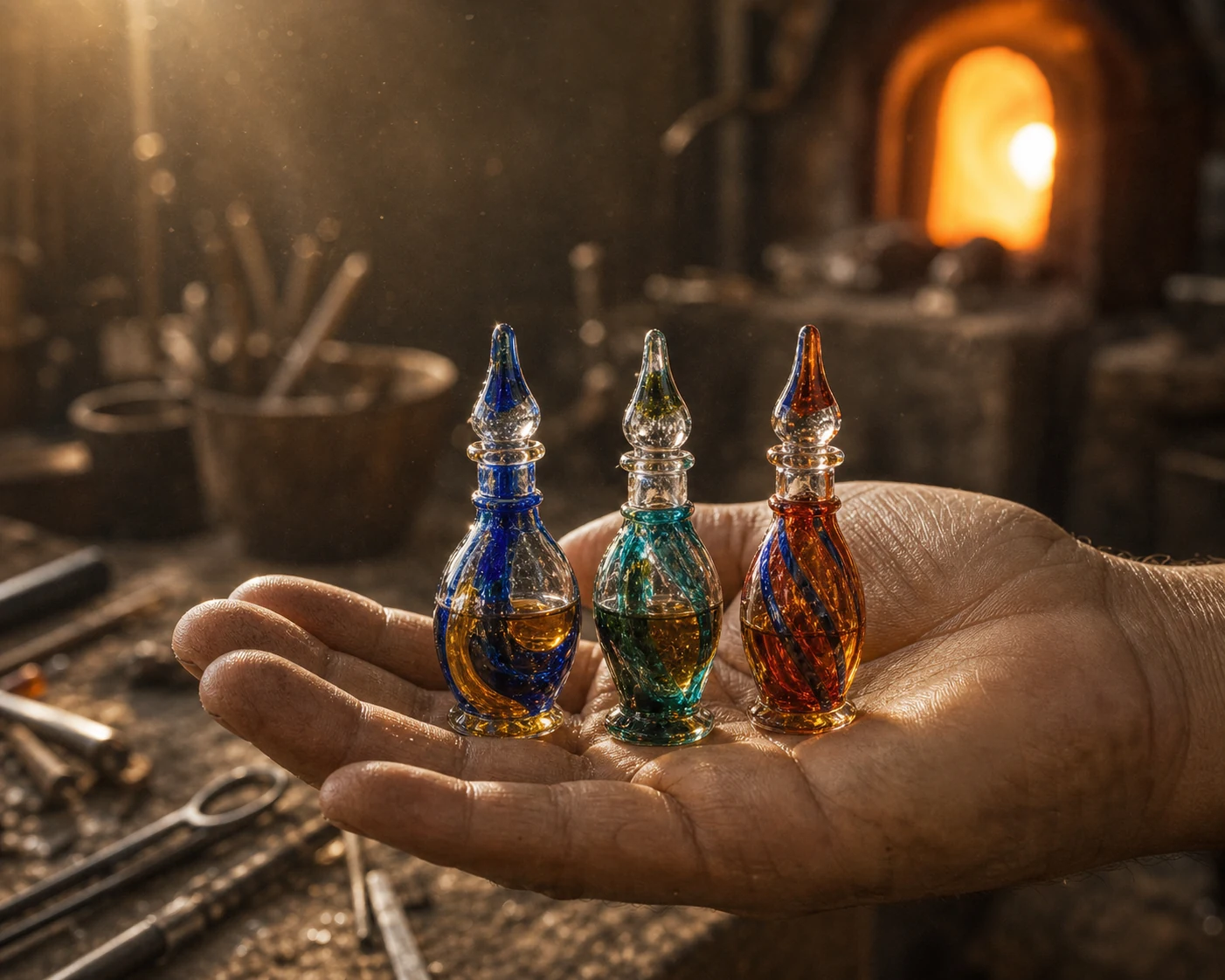
How to choose an Egyptian perfume oil
Choose Egyptian perfume oil by notes, wear style, honesty, skin testing and how well the scent fits the close-wearing oil form.
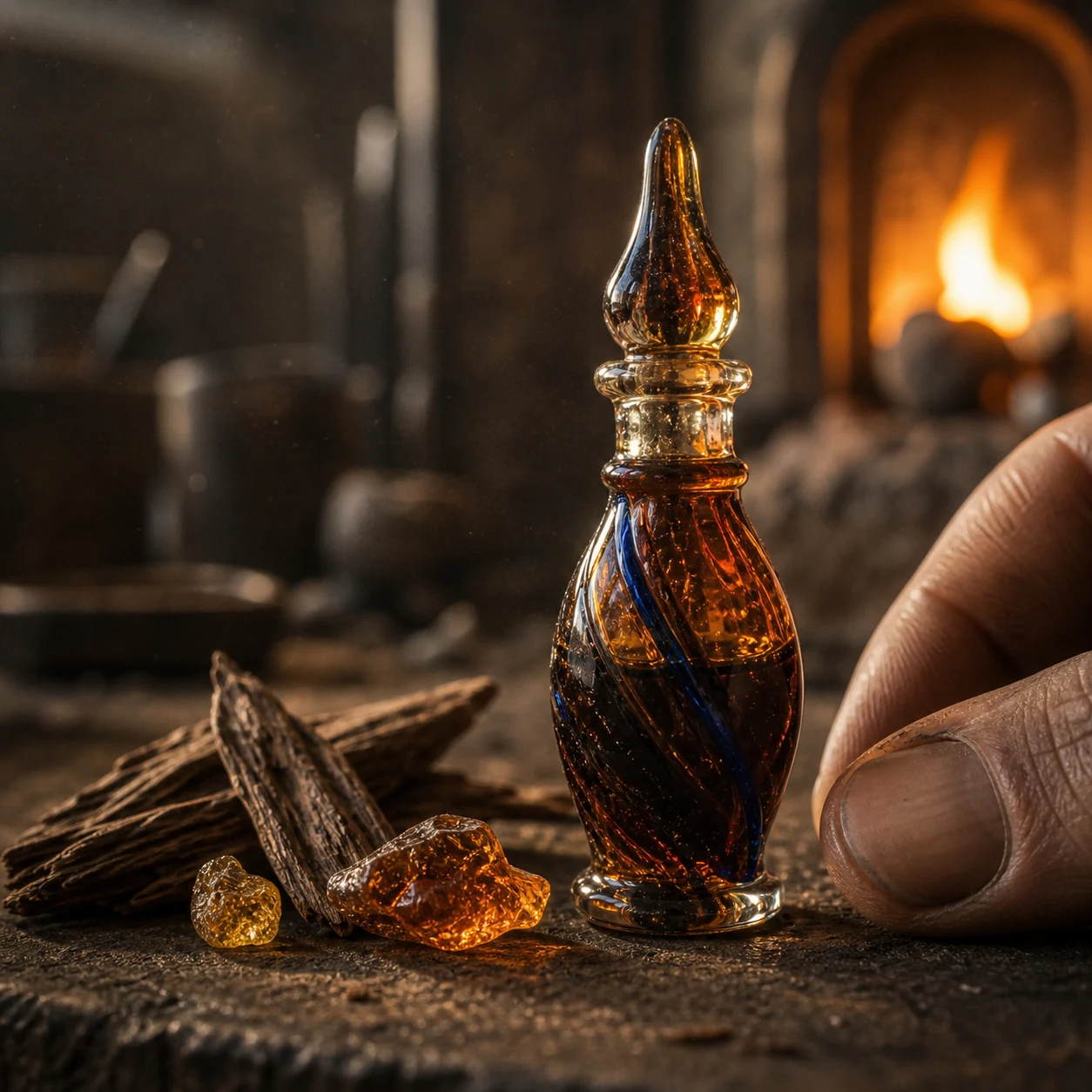
Resin, smoke and skin
Resin behaves differently when burned, blended into oil or worn on skin. That difference is the heart of Egyptian-style scent.
Perfume myths about ancient Egypt
Ancient Egyptian perfume is already interesting without fake recipes, impossible claims or every famous name being dragged into the bottle.
The small ritual of dabbing oil
Dabbing perfume oil is slower than spraying. That is the point: one touch, close wear and scent that opens with heat.